
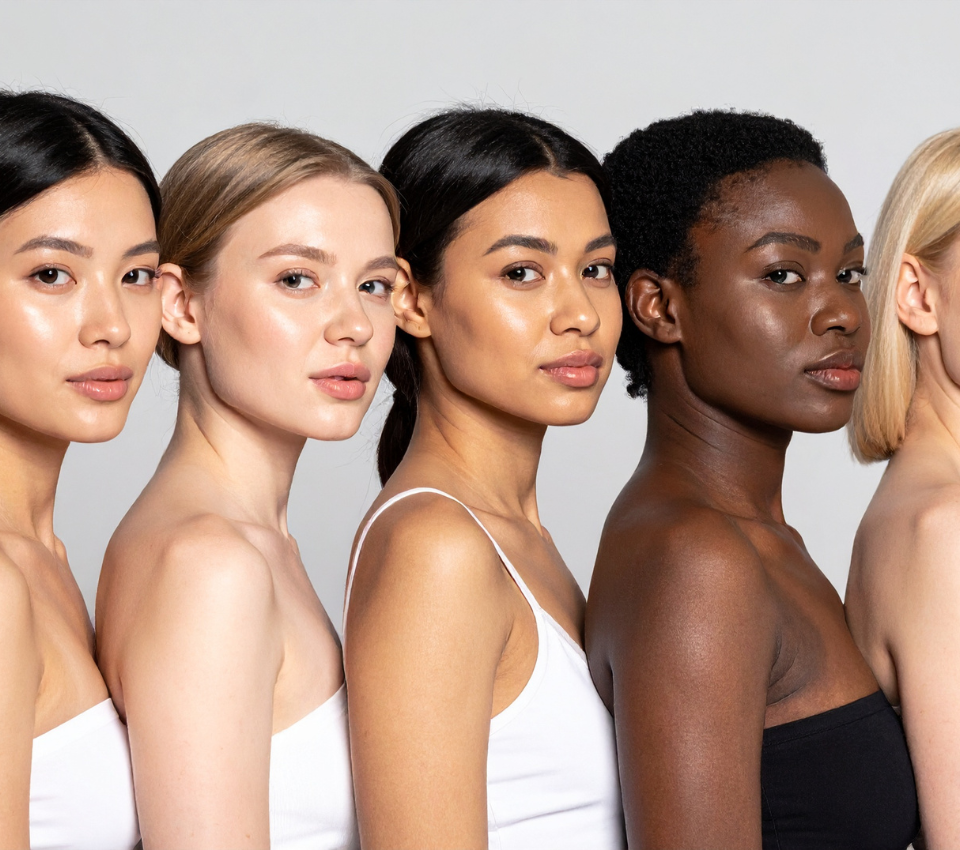
The people you serve need to see themselves reflected in the imagery, language, and experiences your brand puts forward.
Creative content writer with a knack for storytelling that connects. Wielder of wit, turning “meh” into magic daily.

Many times, we’ve all scrolled past a brand and thought, “Yeah… this isn’t for me.” Sometimes it’s subtle. Sometimes it’s obvious. But when you don’t see yourself reflected in a brand’s visuals, messaging, or products, the message lands the same way: you don’t belong here.
As more brands engage in inclusive marketing, there has been an increase in representation for underrepresented and underserved communities. The people you serve need to see themselves reflected in the imagery, language, and experiences your brand puts forward.
When they do, it feels like a permission slip to move forward in your customer journey. In today’s market, people have way too many options. When they don’t, they’ll quietly exit and find a brand that makes them feel seen.
Consumers have high expectations for brands that want to earn their attention, trust, and dollars.
Many brands think representation starts and ends with stock photos. Add one plus-size model. Include one person of color. Post during Pride Month. Done, right?
Not quite.
Representation includes your product development, pricing, messaging, partnerships, and storytelling.
Take Barbie, for example. The brand has publicly stated that one in every five dolls is Black, reinforcing its commitment to ensure diversity is represented across its product line. This representation is not just represented in ads, but in the actual toys children grow up with. That’s representation embedded in the product itself.
Now think about your business.

Imagine a plus-size woman landing on a fashion brand’s website. If every model is a size 2, what message does that send?
Now imagine she sees women who look like her; styled confidently, beautifully, unapologetically. Suddenly, the brand feels welcoming. That emotional shift matters.
The same applies to:
When people see themselves represented accurately and respectfully, it builds trust. And trust drives sales.
Representation says, “We thought about you.”
Representation also lives in your content.
If your brand serves diverse communities but your content only highlights one type of person, there’s a disconnect.
For example, if you run a fitness brand but only showcase already-fit bodies, you unintentionally communicate that beginners don’t belong. But feature different body types, ages, and ability levels, and now your message expands: fitness is for everyone.
Here’s where brands often get it wrong.
They include marginalized communities but tell harmful or stereotypical narratives.
Representation must tell an accurate story.
Too often, people from underrepresented groups are shown in limited roles:
That’s not representation. That’s reduction.
If your brand starts infusing representation into its awareness and value system, it must go deeper than visuals. It should challenge stereotypes, not reinforce them. It should highlight multidimensional lives, not one-dimensional tropes.
True representation doesn’t tokenize. It empowers.

Let’s bring this back to business.
When customers feel seen, they:
Because they feel like the brand was built with them in mind. In an era where consumers care deeply about brand values, alignment matters; people support brands that reflect their realities and respect their identities.
Representation in marketing is about belonging.
Reach out today — we’d love to hear from you! Let’s bring your vision to life.






.png)
