Are you burning your budget on "Buy Now" ads to people who don't even know your name? Stop. Marketing success isn't about skipping to the sale—it's about building trust first. We break down why the "Nadia’s Glow" mistake is costing you sales and how a full-funnel strategy actually works. Discover the difference between awareness and conversion, and learn how to align your campaigns with your customer's journey so you can stop asking for commitment before you've even made an introduction.
Creative content writer with a knack for storytelling that connects. Wielder of wit, turning “meh” into magic daily.

Picture a small skincare brand; let's call her Nadia's Glow. Nadia spent three months developing a vitamin C serum, built a clean Shopify store, and finally had $2,000 to put behind ads. She skipped straight to a conversion campaign: "Buy Now," bold CTA, discount code, the whole setup. Two weeks later, she had spent most of the budget and made four sales.
Here's the thing nobody told Nadia: nobody buys from a brand they've never heard of.
Not right away, and definitely not from a scroll-stopping ad they saw once between a friend's vacation photos and a meme.
This is the mistake we see constantly at Branderah, and it's worth breaking down properly, because understanding the difference between awareness and conversion campaigns is the key to social media sales.

Awareness campaigns aren't trying to sell anything. Their whole job is to get your brand into someone's head so that when they are ready to buy, you're already familiar. Think of it as the digital version of a handshake before a business deal.
Typically, awareness ads answer the question, “Why is this product or service beneficial to my target audience?” They address the “What’s in it for me?” question that consumers often ask.
Awareness ads take an informative and educational approach. The purpose is to create a buzz, generate excitement, and raise interest.
These campaigns usually optimize for reach, video views, or engagement rather than purchases. They tell a story, show the product in action, share the "why" behind the brand, or simply put a face and a vibe to the name.
For Nadia, this could've looked like short videos of her mixing the serum, talking about why she started the brand, or showing real skin texture before-and-afters; content people watch and remember, even if they don't click anything.
The metric that matters here isn't sales. It's that people start recognizing you.
Conversion campaigns show up once someone already knows who you are, or is at least warm enough to be nudged. These are your "Shop Now," limited-time offer, cart-abandonment retargeting ads.
They are built for people who've already seen your brand, maybe visited your site, maybe watched a video, and just need a reason to act today instead of "later."
This is where urgency, discounts, testimonials, and clear CTAs earn their keep.
Conversion ads only work well on an audience that's already primed. Running them cold, to people who have zero context for your brand, is like proposing marriage on a first date. Technically possible. Rarely successful.
Think of the funnel like dating.
Awareness is the getting-to-know-you phase.
Retargeting and mid-funnel content is the "let's see each other again" phase.
Conversion is the commitment.
Skip a phase, and you're asking for a "yes" nobody's ready to give.
If Nadia had run a four-week awareness push first: video content, brand storytelling, maybe some UGC-style testimonials- she'd have built a pool of people who recognized her serum before she ever asked them to buy it. Then the conversion ads would've had something to work with.
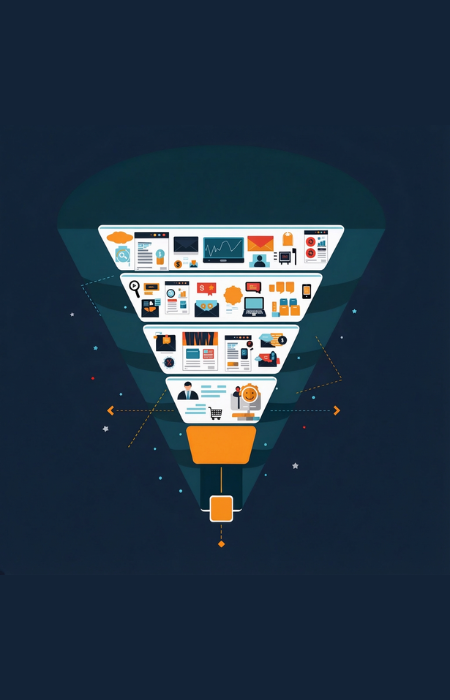
This is why a full-funnel approach almost always outperforms a single-stage one. Awareness fills the top of the funnel with people who know you. Retargeting nudges them closer. Conversion closes the gap. Each stage does a job the others can't.
Skipping awareness and going straight to conversion is why so many campaigns stall, not because the offer was bad or the product wasn't good enough, but because the audience simply didn't know you yet. You can't convert trust you haven't built.
Before you run another "Buy Now" ad, ask: does this audience already know who I am? If the honest answer is no, that's not a conversion problem. That's an awareness gap, and it's worth closing first.
Reach out today — we’d love to hear from you! Let’s bring your vision to life.